

Heat, drought, salinity, cold and chemical stress can limit crop performance even when a nutrition programme looks complete on paper. These non-living, or abiotic, stresses disturb water relations, membrane stability, photosynthesis, enzyme activity and nutrient uptake. The result may be slower growth, poor flowering, weak recovery or reduced quality.
What Happens During Abiotic Stress?
Under heat and drought, plants close stomata to conserve water. This also restricts carbon dioxide entry and slows photosynthesis. Salinity makes water uptake more difficult and may create ion imbalance. Severe stress can alter the structure of proteins, a process known as denaturation, reducing the efficiency of enzymes and normal metabolism.
The visible symptom appears after internal changes have already begun. Effective management therefore emphasizes prevention, early observation and recovery support rather than waiting for serious damage.
Start With the Field Environment
No biostimulant replaces water, drainage or correct irrigation. A resilient programme begins with practical actions:
- Schedule irrigation using crop stage, soil type and weather conditions.
- Reduce waterlogging and maintain aeration around roots.
- Monitor electrical conductivity where salinity is a risk.
- Avoid unnecessary high-salt applications during severe stress.
- Maintain balanced potassium, calcium and micronutrient nutrition.
- Apply foliar products during suitable temperature and humidity windows.
How Biostimulant Support Fits In
Biostimulants may support natural plant processes associated with metabolism, osmotic balance, nutrient uptake and recovery. Their role is to complement—not replace—sound crop management.
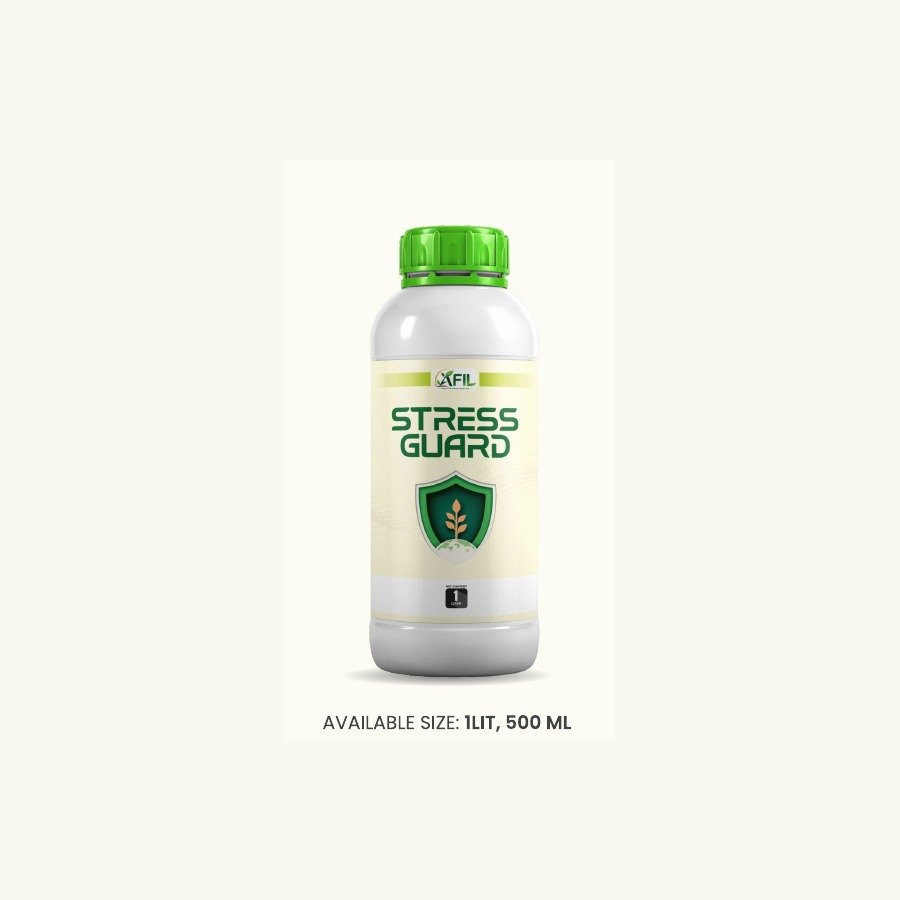
STRESS GUARD is an advanced osmo-protective biostimulant based on Compatible Osmolyte Technology. It combines Ascophyllum nodosum, silicon, amino acids and chelated micronutrients to support crops facing heat, cold, salinity, drought and environmental stress.
EQUINOX CNB combines organic nitrogen, potassium, organic carbon complexes and Glycine Betaine through an Advanced Carbon:Nitrogen:Glycine Betaine Protection Technology. It is designed to support physiological balance, osmotic stability, metabolism and recovery under challenging conditions.
Timing and Expectations
Preventive or early-stage application is generally more logical than attempting to reverse advanced damage. Crop response will vary with stress intensity, duration, variety, water availability and overall plant health. A field-specific programme should define the target stress, application window and expected supporting role before treatment.
Stress management is strongest when it combines weather awareness, irrigation discipline, balanced nutrition, root-zone care and carefully selected biostimulant support.
Explore Related Afil Solutions
Contact the Afil team for product selection and application guidance.
This article provides general educational information. Product selection, dosage and application should follow the approved label and guidance from a qualified agricultural professional.